
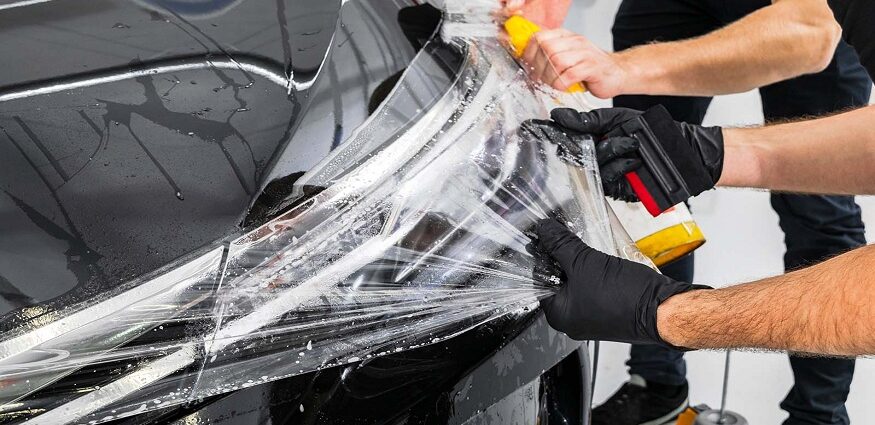
Sport-utility vehicles, pickups and off-road builds deal with far more punishment than the average commuter car. Gravel roads, work sites, tight trails and highway construction zones all throw debris at the paint. That extra abuse is exactly why so many owners look to Car protection film as part of their long-term plan for keeping big vehicles presentable.
The basic concept of paint protection film is the same on any vehicle, but the way it’s used on taller, longer and more exposed bodies is different. Getting the coverage, film type and installation approach right makes the difference between “mostly protected” and “genuinely ready for real-world use.”
Where big vehicles actually take damage
With larger vehicles, it’s not just the front bumper at risk. The hood, grille and mirrors still catch rock chips, but so do wider fenders, A-pillars, windshield surrounds and the leading edge of the roof. On trucks, the lower doors, cab corners, rocker panels and rear wheel arches are constant targets for stones kicked up by large tires.
Bedsides and tailgates collect scratches from toolboxes, bikes, camping gear and trailers. Off-road, branches and brush leave long marks along the sides. Any serious plan for Vehicle paint protection has to pay attention to those zones, not just the front clip.
Choosing a coverage strategy that matches use
Coverage options range from basic front-end kits to nearly full-body applications. For a family SUV that spends most of its time on highways and in carparks, a full front, headlight and mirror package may be enough. Work trucks and trail rigs often benefit from extra coverage on rocker panels, flares and rear arches.
Thinking honestly about how the vehicle is used is important. If it sees gravel several times a week or spends weekends on forest roads, it makes sense to protect more areas that take repeated hits. Owners searching for PPF charlotte NC usually have that kind of mixed use in mind and want a layout that reflects real life, not just brochure photos.
Film choices for work and off-road duty
Not all film performs the same. Some products prioritize maximum clarity for show cars, while others focus on durability, self-healing properties and resistance to staining. SUVs and trucks that see job sites, mud and road salt generally benefit from tougher films with strong top coats and good resistance to yellowing.
The finish matters too. Gloss films preserve a factory look. Satin or matte can tone down bright paint and pair well with black wheels or trim on an off-road build. When owners explore paint protection film CharlotteNC, they often discover that different film lines are better suited to daily work trucks than to garage-kept weekend cars.
Installation challenges on large and complex shapes
Tall vehicles with long panels and sharp body lines place more demand on the installer’s technique. Stretching film across a full-size hood, wrapping complex bumpers with tow hooks and fog lights, and working around sensors, cameras and parking aids all require skill and patience.
Good PPF installation Charlotte NC includes careful surface preparation, precise alignment and thoughtful edge placement so the film is both effective and discreet. On lifted rigs, even reaching the roof and upper pillars safely can be a challenge, which is another reason professional installation is recommended.
Dirt, mud and wash habits affect film performance
Off-road trucks and SUVs see more mud, sand and grit than most cars. That material can build up along film edges if the layout is poor or the owner rarely washes the vehicle. A well-designed pattern minimizes exposed leading edges in high-spray zones and avoids trapping grime where it will rub against the paint.
Owners also need realistic wash routines. Touchless or gentle hand washes are kinder to film than harsh automatic brushes. Shops that focus on PPFare usually familiar with local conditions and can talk through how trail dust, pollen and summer storms influence both film choice and maintenance.
Cost considerations for larger vehicles
More surface area and more complex shapes mean higher material and labor needs. That can surprise owners who have only seen price ranges for compact cars. When comparing quotes, it helps to look at exactly which panels are covered, which film brand is used and how much time the installer expects to spend on preparation.
Over the long term, that investment often compares well with the cost of repeated paint correction or resprays, especially on high-end trucks, specialty 4x4s or fully loaded SUVs. Many owners who start by protecting only the front end come back later to add film to rockers and rear arches once they see how much abuse those areas take.
Working with specialist installers
Experience with large vehicles and off-road builds matters. Technicians who regularly apply PPF know where trucks and SUVs tend to chip, which patterns work best on popular models and how to balance coverage with budget. They also understand how film interacts with vinyl graphics, bedliners and other modifications.
For buyers comparing options, searching for PPF installers near me is just the first step. Asking to see previous work on similar vehicles, reviewing warranty terms and discussing driving habits will narrow the field to shops that can genuinely meet the needs of off-road and heavy-use owners.
Takeaway
Paint protection film can’t prevent every scratch or dent, but it does take the brunt of everyday abuse so the clear coat underneath stays in better shape. For drivers who rely on their SUVs, trucks and off-road rigs every day, a smart PPF plan is one of the most practical ways to keep those vehicles looking presentable for the long haul.